
The best time to visit Alaska depends less on the calendar and more on what you want your 7 days to feel like: whales surfacing beside a boat wake, a Denali hike under midnight sun, or the first ribbon of aurora over Fairbanks.
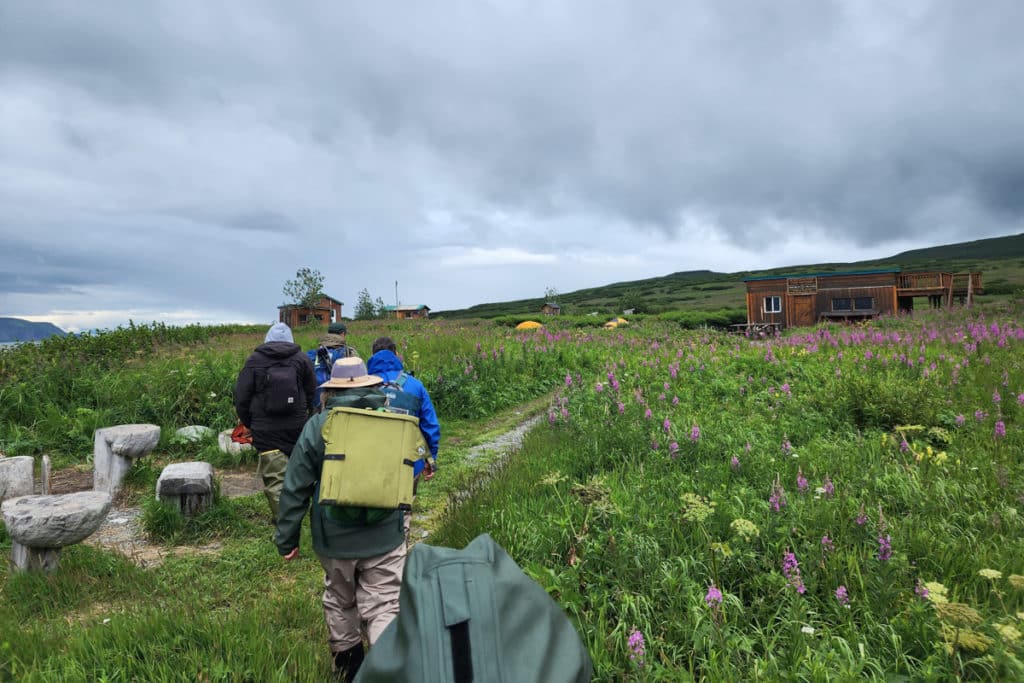
We built this guide for travelers coming from the lower 48 (and international visitors) who don’t have a month to “see everything.” Most of us get about a week. So we’ll make the timing decision practical: what you can realistically do, where, and what changes, daylight, roads, tours, prices, month by month in Alaska.
Choose The Best Time Based On What You Want To Do
If you’re trying to pick the best time to visit Alaska, start with the experience, not the weather app. Alaska rewards specificity.
We’ve made the mistake of planning around “summer” and then realizing too late that our must-do activity had a tighter window than we thought. (Nothing like standing in a rental-car line in July while your glacier cruise sells out for the next two days.)
Wildlife And Bear Viewing
For most visitors, June through August is the easiest window for wildlife because access is simple and tours run at full speed.
That said, bear viewing in Alaska isn’t one single season everywhere. It’s tied to local food sources and logistics.
What usually works best for a 7-day trip:
- Late June–August for long days and reliable tour options in Southcentral and coastal areas
- July–September if you’re trying to pair wildlife with salmon runs (timing varies by river and region)
- May–early June if you want wildlife plus fewer crowds (but accept cooler weather and some limited schedules)
Practical warning: if bear viewing is the headline of your trip, don’t “wing it.” In many places, the limiting factor is available seats on small boats or planes, not the bears.
Glaciers, Cruises, And Coastal Scenery
For classic coastal Alaska, glaciers, fjords, whales, and small-boat cruises, the most reliable stretch is May through September.
May and early June can feel like a cheat code. You can still get big scenery, but with noticeably lighter crowds than July.
A real-world lesson we learned the hard way: coastal weather changes fast. Even in July, a calm morning in Seward can flip to cold rain and wind by afternoon. If you visit Alaska for glaciers, pack like you’ll be on a wet dock for two hours, because you might be.
Aurora Viewing And Winter Adventures
The best time to visit Alaska for aurora is typically late fall through early spring, when nights are long and dark, especially in the Interior around Fairbanks.
Aurora isn’t guaranteed (it depends on solar activity and clear skies), but your odds improve with:
- More darkness (winter beats summer, always)
- More nights in the same place (3–5 nights in Fairbanks is common for aurora-focused trips)
- Getting away from city lights
Winter is also when Alaska feels most “otherworldly” for first-timers: snow squeaking under boots, frosted eyelashes at -10°F, and that hush you only notice when traffic noise disappears.
Hiking, National Parks, And Midnight Sun
For hiking and long sightseeing days, June and July are the easiest months for first-time visitors.
Denali National Park, for example, is highly seasonal in how visitor services operate. If hiking is your priority, choose dates when shuttle options and park access align with your plan.
If we’re being honest: the midnight sun is magical, but it can mess with sleep. Bring an eye mask. And don’t assume you’ll “get tired naturally” after a 12-mile day, Alaska’s long light keeps some of us wired.
A Month-By-Month Breakdown Of Alaska Weather, Crowds, And Costs
Here’s the truth most first-time planners don’t hear soon enough: Alaska’s seasons don’t just change temperatures. They change what’s open, how far you can go, and what you’ll pay.
We’ll keep this focused on what matters for a 7-day trip, weather patterns, crowd levels, and the “gotchas.”
May–June: Shoulder Season Value And Long Days
May and June often hit the sweet spot for the best time to visit Alaska if you want access without peak prices.
May can still look like spring-in-progress, especially depending on where you go. June ramps up quickly, more daylight, more tours, and more energy.
What to expect:
- Better availability than July for lodging and popular day tours
- Long days (especially by June) that let you pack more into 7 days
- Coastal areas can still be cool and wet, so plan layered clothing
July–August: Peak Summer For Access And Festivals
July and August are peak for a reason: maximum access, warmest conditions (by Alaska standards), and the widest tour schedule.
This is also when our planning mistakes have cost us the most. Waiting “just one more week” to book a Seward glacier cruise or a Denali hotel can turn into higher prices or awkward itinerary gaps.
What to expect:
- Highest prices for flights, lodging, rental cars
- Busiest trails and towns, especially near major ports and highway hubs
- The most reliable time for family-friendly logistics (everything’s running)
September: Fall Colors, Fewer Crowds, And Early Aurora
September can be an underrated answer to the best time to visit Alaska question.
Crowds ease up. Prices often soften. And depending on location and conditions, aurora becomes possible again as nights darken.
What to expect:
- Crisper air and fast-changing weather (pack warmer layers)
- Autumn color in many areas, especially on tundra and hillsides
- Some tours begin reducing schedules after Labor Day
October–March: Winter Travel And Best Aurora Window
If aurora is your main goal, this is the core season. In the Interior (including Fairbanks), long nights increase your opportunities.
But winter is also when Alaska punishes vague plans. Road conditions, limited daylight, and tour availability can compress what you can do in 7 days.
What to expect:
- Best aurora window due to darkness (clear skies still matter)
- More limited coastal sightseeing: Southeast and Southcentral can be stormy
- Winter activities (dog mushing experiences, hot springs trips, snowmachines in appropriate areas) depend on local conditions and operators
April: Spring Transition And Late-Winter Deals
April is a transition month that can feel like two seasons in one week.
It can be a smart value month, especially if you want a winter feel without committing to the deepest cold. But it’s not the month to expect every summer tour to be running.
What to expect:
- Fewer crowds and sometimes better deals
- Mixed conditions: lingering snow in some areas, break-up season starting in others
- Limited summer-style marine tours compared to June–August
If your schedule is flexible, April can be the best time to visit Alaska for travelers who care more about quiet and price than checking every box.
Regional Timing: When Each Area Is At Its Best
Alaska is too big for one “perfect month.” The best time to visit Alaska changes depending on whether you’re chasing fjords, tundra, or northern lights.
If you only have 7 days, picking the right region for the season matters as much as picking the season itself.
Southcentral (Anchorage, Kenai, Prince William Sound)
Southcentral is the easiest “first Alaska” region for many visitors because it combines roads, mountains, and ocean access.
Best timing for most travelers: June through September.
Why it works:
- Anchorage makes a practical hub for a weeklong loop
- The Kenai Peninsula (including Seward) is prime for glacier cruises and coastal scenery in summer
- Prince William Sound boat tours are most accessible in the warmer months
Southeast (Juneau, Sitka, Ketchikan, Inside Passage)
Southeast is coastal, rainforest-like, and built around boats and flight connections. It’s also famous for changeable weather.
Best timing: May through September for the widest menu of tours.
Reality check: if you come to Southeast expecting “Alaska snowcapped peaks every day,” you might be disappointed on a rainy week. But if you come expecting moody skies, dripping spruce, and whales surfacing in gray water, Southeast can feel unforgettable.
Interior (Fairbanks, Denali Area)
The Interior is where you go for aurora, true winter cold, and big seasonal swings.
Best timing depends on your goal:
- September–March for aurora-focused trips (Fairbanks is a common base)
- June–August for Denali-area access and long hiking days
Denali planning note: services and transportation in and around the park are seasonal. Align your dates with what you plan to do, not just what looks good on Instagram.
Arctic And Far North (Utqiaġvik, Gates Of The Arctic Access)
The Far North is a different category: remote, weather-dependent, and logistically complex for a first trip.
Best timing: typically summer for easier access and milder conditions, but planning here is specialist-level. If this is on your dream list, we’d build the trip around flights, local guides, and realistic buffer time.
For most first-time visitors with 7 days, we usually recommend Southcentral, Southeast, or the Interior instead, then return for the Arctic on a future trip when you know what Alaska travel feels like.
How To Plan A 7-Day Alaska Itinerary Around The Season
The best time to visit Alaska becomes obvious when you force one constraint: we only have 7 days.
Instead of trying to sample everything, we plan tight, regional itineraries that reduce drive stress and increase time outside.
Best 7 Days In Summer (Denali + Kenai/Seward)
This is the classic first-timer route for a reason: it balances mountains and ocean.
A practical structure:
- Days 1–2: Anchorage (arrive, adjust, easy day trip or local sights)
- Days 3–4: Denali area (scenery, hikes, park-aligned activities)
- Days 5–7: Kenai Peninsula (Seward) for a glacier-and-coast finale
Mistake we’ve made: underestimating drive fatigue. Alaska highways are beautiful, but “four hours” can turn into six with stops, weather, and wildlife slowdowns. Build slack into travel days.
Best 7 Days In Shoulder Season (Anchorage Base + Day Trips)
Shoulder season is when we simplify. One base, fewer hotel swaps, more flexibility.
Anchorage works because you can pivot based on weather:
- Head toward Turnagain Arm for dramatic roadside views
- Choose a day tour into Prince William Sound when seas look calmer
- Use clearer days for longer drives: use rainy days for museums, food, and shorter outings
This approach often makes the best time to visit Alaska feel “bigger” because you spend less time packing and checking in.
Best 7 Days In Winter (Fairbanks Aurora + Hot Springs)
Winter trips work best when they’re purpose-built.
A clean winter plan:
- Base in Fairbanks for multiple aurora nights
- Add a hot springs outing on a day you need recovery (cold + late nights is real)
- Schedule daytime winter activities with buffer in case of weather or operator changes
Honest warning: winter travel can be humbling. We’ve had plans reshuffled by road conditions and extreme cold. If you build in a “free day” and keep expectations flexible, winter Alaska feels less stressful and more magical.
What Changes By Season: Daylight, Roads, Tours, And Pricing
In Alaska, seasons don’t just change the view. They change the rules of the trip.
This is where many first-time visitors get surprised, sometimes pleasantly, sometimes not.
Daylight Extremes And How They Affect Sightseeing
Summer gives you huge daylight hours, which makes packed itineraries possible. But it can also throw off sleep.
Winter is the opposite: fewer daylight hours, more nighttime. That’s perfect for aurora, but it means sightseeing time is tighter.
Our go-to fixes:
- In summer: sleep mask and a bedtime alarm (yes, really)
- In winter: plan your “must-see views” for the brightest part of the day
Road Access, Park Transit, And Ferry Schedules
Road trips are easiest in summer and early fall. Winter driving can be doable, but you need realistic expectations.
Schedules also shift by season, especially in places where boats and park transit are core to getting around.
If a specific route matters to you, confirm seasonal operations through official sources like the Alaska Marine Highway System and the National Park Service.
Tour Availability, Reservations, And Seasonal Closures
Peak season has the most tours, but also the most competition for spots.
If your 7-day trip includes any “small capacity” experiences, book earlier than you think:
- Glacier and wildlife cruises out of coastal towns
- Denali-area lodging during peak dates
- Aurora tours and transportation during busy winter weeks
We’ve seen travelers lose half a day trying to reassemble a sold-out plan. It’s not fun. And it’s preventable.
Budget And Crowds: When To Book And When To Go Flexible
If price is a major driver, shoulder season can be the best time to visit Alaska.
Two strategies that actually work:
- Book early for July–August (you’re buying certainty)
- Go flexible in May, early June, or September (you’re buying value)
If you’re using our guides at The Alaska Frontier, this is where we focus: getting you the “high-impact” experiences without wasting your limited time on unnecessary backtracking.
Packing And Prep By Time Of Year
Packing for Alaska is less about fashion and more about staying comfortable when conditions flip mid-day.
We’ve all made the rookie mistake: bringing one warm coat and calling it good. Layers beat single bulky pieces almost every time.
Rain And Wind Layers For Coastal Alaska
Coastal Alaska can be wet and windy even in summer.
Bring:
- Waterproof rain jacket (not just “water-resistant”)
- Rain pants if you’ll be on boats or doing longer walks
- A warm mid-layer (fleece or light puffy)
You’ll feel smug, in a good way, when you’re dry on a cold dock while someone else is wringing out a hoodie.
Mosquito Strategy And Bug-Season Essentials
In many parts of Alaska, mosquitoes can be intense in summer. It’s not a myth.
What helps:
- Bug head net for hikes (small, cheap, worth it)
- Long sleeves and long pants for evenings
- Repellent appropriate for your preferences and skin
If you’re sensitive to bites, plan your hikes with timing in mind. Windy ridgelines can be more comfortable than still, marshy areas.
Cold-Weather Gear For Aurora Nights
Aurora viewing is mostly standing around outside, often for a long time.
Prioritize:
- Insulated boots and warm socks (cold feet end nights early)
- Mittens or heavy gloves
- A warm hat that covers ears
And bring patience. The aurora doesn’t perform on command. But when it does, when green light ripples across the sky and everyone goes quiet, you’ll understand why so many of us plan entire trips around it.
Conclusion
The best time to visit Alaska is the week when your top priority is most likely to happen, and when the region you chose is operating at its best.
If we’re planning a first 7-day trip with maximum “Alaska payoff,” we usually steer people toward June through September for access, or September through March if aurora is the mission.
Pick the season, then pick the region, then lock the few experiences that can sell out. Alaska is generous, but it rewards planning.
When you’re ready, we can help you shape those 7 days into something that feels bigger than a week, without pretending you can see the whole state in one trip.

We run one of the biggest Alaska Facebook groups with over 350,000 members and growing everyday! Started in 2014, The Alaska Frontier has grown into a large Media company, sharing our unique perspective of Alaska in both written and video format. We've become a large group of like minded people sharing our love of Alaska with one another.
Within our group you will find people asking questions, sharing pictures and videos of their time in our great state. Some of these questions will get a longer response from us, as a post that you will read here.
We also find unique things to do in Alaska and have begun to create our own Video content to post on Facebook, Instagram YouTube and TikTok.